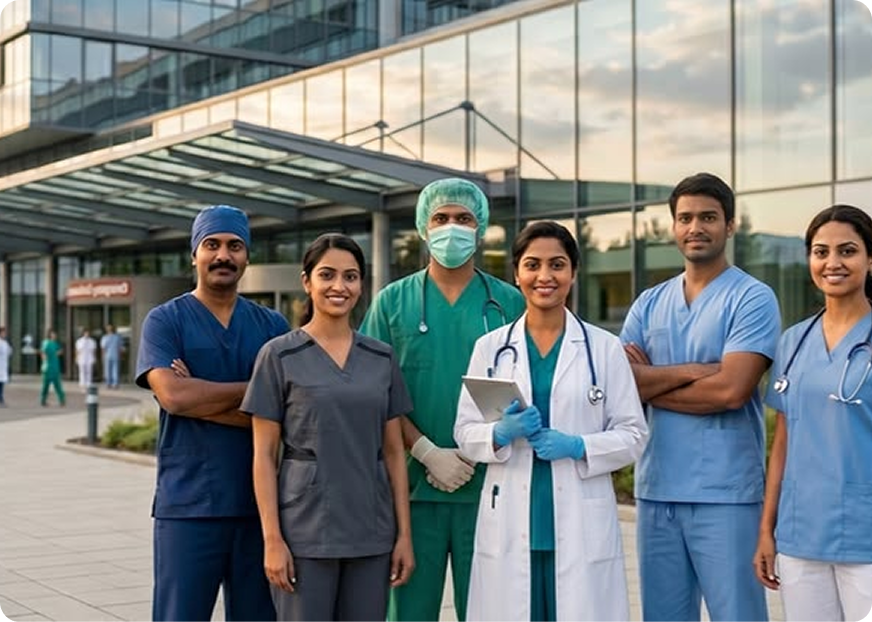
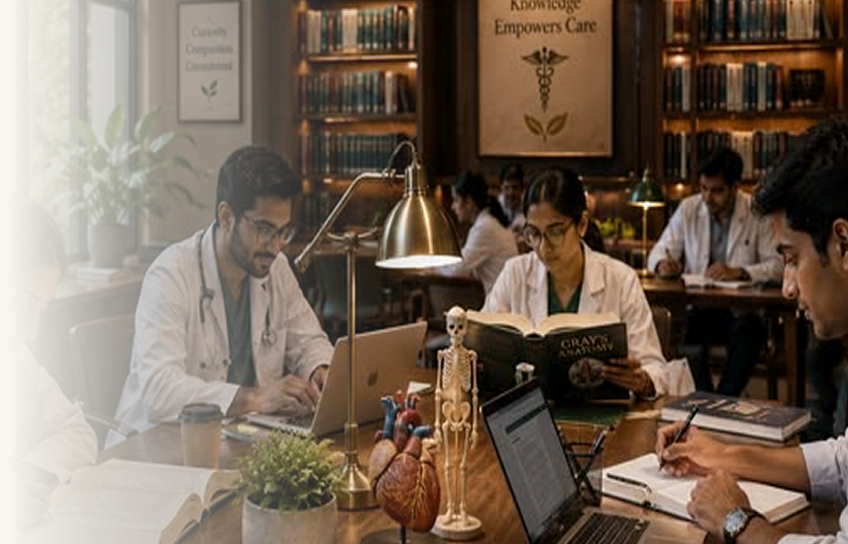
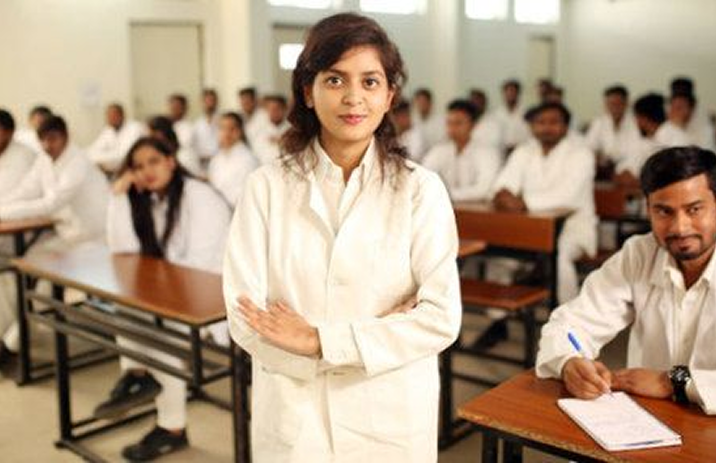
Develop specialized knowledge and practical skills in medical imaging, radiographic procedures, diagnostic technologies, and patient care to support accurate medical diagnosis and modern healthcare services.
The Radiology & Imaging Technology programme prepares students for professional roles in diagnostic imaging and radiology services. The programme covers radiographic techniques, medical imaging procedures, patient positioning, imaging equipment, radiation safety, anatomy, and diagnostic support. Through practical laboratory training, clinical exposure, hands-on sessions, projects, and professional learning, students develop the technical and patient-care skills required to work effectively in modern radiology and diagnostic imaging environments.
10+2 or equivalent examination from a recognized board, preferably with Physics, Chemistry, and Biology, subject to applicable admission requirements.
₹50,000 per year
Merit-based scholarships as per university norms.
Discover your path in medical imaging, radiological technology, and diagnostic healthcare.
The Radiology & Imaging Technology programme provides students with a strong foundation in medical imaging sciences and radiological procedures. Students gain knowledge of radiographic techniques, human anatomy, imaging equipment, patient positioning, radiation protection, image quality, and basic diagnostic imaging practices. Through practical training and clinical exposure, students develop the technical accuracy, equipment-handling abilities, communication skills, and professional discipline required to support healthcare professionals in diagnostic services.
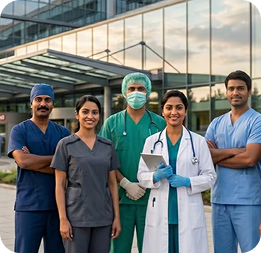
Understand healthcare systems, policies, hospital operations, and essential healthcare practices.
Apply effective management principles to improve hospital operations and healthcare services.
Develop strong communication skills for effective coordination, teamwork, and patient care.
Understand healthcare systems, policies, hospital operations, and essential healthcare practices.
Understand healthcare budgeting, billing, financial planning, and resource management.
Implement quality standards and practices to improve patient safety and healthcare services.
Build leadership abilities to manage teams, make decisions, and lead healthcare organizations.
Gain real-world experience through internships, hospital training, projects, and practical learning.
Develop analytical and critical-thinking skills to solve challenges in healthcare management.
The Radiology & Imaging Technology programme combines theoretical education with practical training in radiographic procedures, medical imaging equipment, patient positioning, image quality, and radiation safety. Graduates can explore opportunities across hospitals, diagnostic centres, imaging facilities, and healthcare organizations, including:
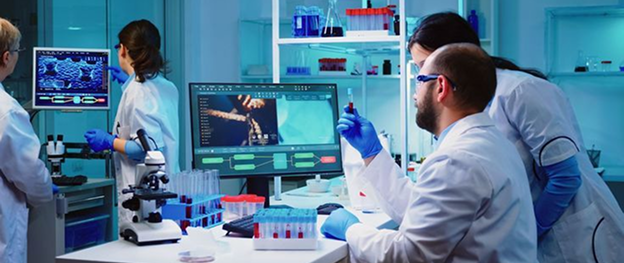
The Radiology & Imaging Technology programme is a 2-year programme divided into 4 semesters, combining classroom education, practical laboratory training, clinical exposure, hands-on imaging experience, and professional learning.
Students who have completed 10+2 or an equivalent examination from a recognized board, preferably with Physics, Chemistry, and Biology, may be eligible to apply, subject to applicable admission requirements.
Graduates can pursue opportunities as Radiology Technologists, Radiologic Technologists, X-Ray Technicians, CT Scan Technicians, MRI Technicians, Diagnostic Imaging Technicians, and Imaging Centre Technicians across hospitals, diagnostic centres, radiology departments, and other healthcare facilities.